



From Lab to Land
Applied research, advisory services and quality inputs for the farmers of Bagalkot and Belgaum, since 1971.
“Agriculture was at subsistence level.”
There was no awareness of irrigated farming in general and sugarcane cultivation in particular. The agronomic practices were primitive, in spite of abundant potential.
So science came first.
Guidance was sought from eminent scientists, and a “Lab to Land” programme was conceived. The institute was established before Godavari Sugar Mills Ltd. was.
Read the full storyThe same field, read from orbit.
Remote sensing, GIS and machine learning estimate sugarcane acreage and production, and track crop growth through time-series NDVI.
- 724sugarcane samples surveyed
- 61villages, Bagalkot and Belgaum
- 85%sugarcane classification accuracy
These stalks are drawn to scale.
KIAAR tests new varieties for the All India Co-ordinated Research Project on Sugarcane. Each stalk's height is its pooled cane yield from the 2018-19 trial.
Hover a label on the drawing
Trial resultsThree recipes, 200 litres each.
Grown with organic inputs alone, sugarcane yielded 125.91 t/ha, against 108.45 t/ha grown conventionally.
- Cow dung10 kg
- Cow urine10 lit
- Cow milk2 lit
- Cow curd2 lit
- Rotten banana12
- Cow dung5 kg
- Cow urine3 lit
- Cow milk2 lit
- Cow curd2 lit
- Cow ghee1 kg
- Coconut water3 lit
- Rotten banana12
- Cow dung5 kg
- Cow urine5 lit
- Jaggery2 kg
- Pulse flour2 kg
- Bund soil1 kg
Selection, read in the genome.
DNA markers and genes accelerate the improvement of crop cultivars for desired traits. KIAAR is initiating a new programme for abiotic stress resistance.
- Development of mapping populations in target crops
- Identifying genes/QTLs for yield potential and stability
- Identifying high-yielding, stable genotypes (low G x E x M)
- Understanding of genetic networks for correlated traits
- Construction of selection indices across traits
- Pyramiding multiple genes for single/multiple traits
- Delivering improved germplasm and new cultivars
More fibre. Less sugar. Marginal land.
KIAAR has identified the energy cane genotype most suited to the Sameerwadi region, and is developing its best management practices.
It all begins below the surface.
3,000 soil samples of farmers are analysed each year, with customised recommendations based on the results.
- pH
- EC
- OC
- N
- P
- K
- Fe
- Zn
- pH
- Mostly alkaline
- Nitrogen
- Low
- Phosphorus
- Medium
- Potassium
- High
KIAAR's soil spatial variability study, for the majority of soils
Soil testingAllies in the soil.
KIAAR produces and supplies bio-fertilizers of two beneficial soil microorganisms, alongside disease-free planting material.
- 15 lakhsingle eye-bud settlings a year
- 50,000tissue culture seedlings a year
Lab. To land.
Under the NABARD smart farming project: 2,000 farmers, 5,000 acres, 124 villages and 21 clusters. Point at any village.
Five fields of work, one purpose: a better harvest
Sustainable Sugarcane Production
Varietal Testing KIAAR is a voluntary centre of All India Co-ordinated Research Project on Sugarcane (AICRP) involved in testing of new sugarcane…
Organic Farming
Organic farming is an agriculture that makes healthy food, healthy soils, healthy plants, and healthy environments along with crop productivity.…
Smart Agriculture
Smart agriculture technologies for the cultivation of sugarcane and other commercial crops of this region such as turmeric, maize and dicoccum wheat…
Molecular Breeding
Molecular breeding is the use of tools of biotechnology (DNA markers/genes) as a substitute for phenotypic selection and to accelerate the…
Energy Cane
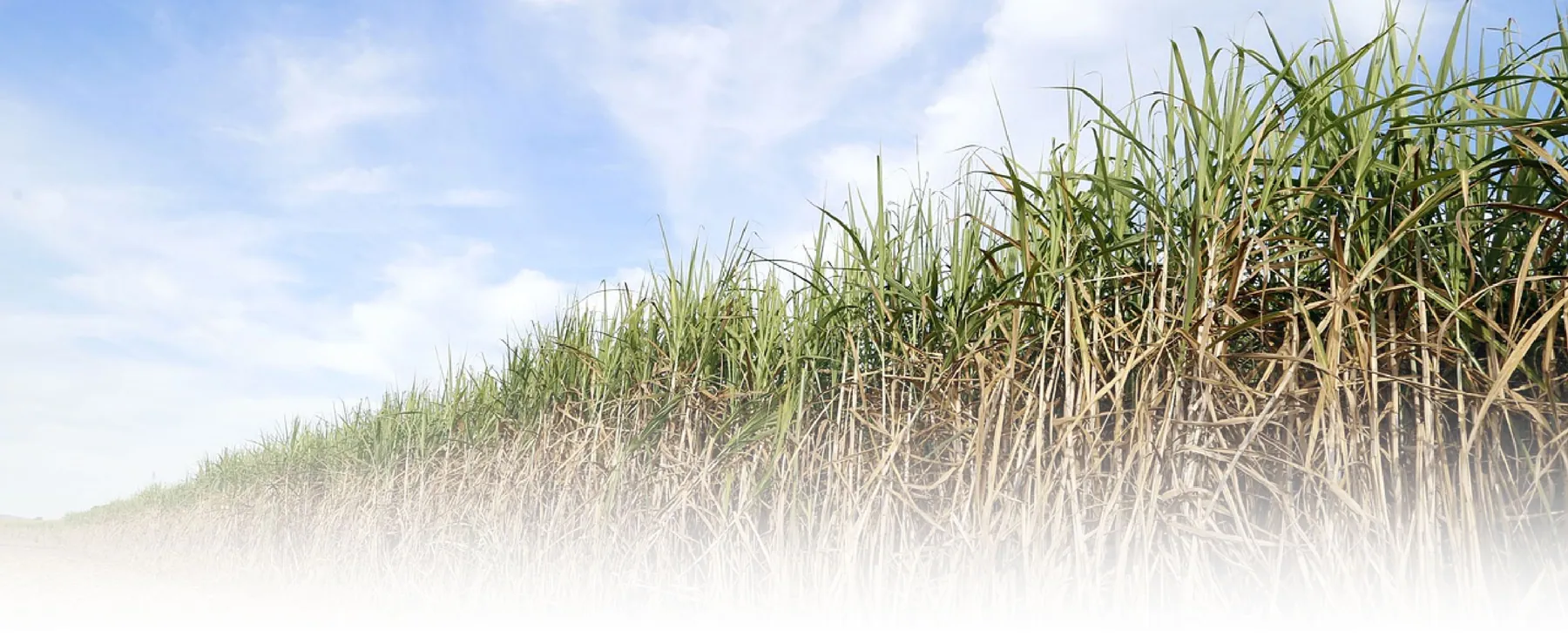
Energy cane is a sugarcane hybrid with more yield, more fibre and less sugars in juice. Energy cane can be cultivated in resource poor environments…
From the institute
Inauguration of KIAAR new administrative building on 5th August 2022
KIAAR new administrative building was inaugurated by Hon. MLA Shri Siddu Savadi , Shri. Samir Somaiya and Dr. Larry Walker. More than 100 farmers…
Read moreAnnual General Body Meeting (AGM) 4th August, 2022
The meeting was conducted to present the progress of research and future proposals for scientific advancements, collaborations along with other…
Read moreResearch Advisory Committee Meeting, held on 9 th June 2022
The meeting was held to review the progress of research and formulate new research proposals to improve the productivity of sugarcane and restore the…
Read moreOur collaborators
 University of Agricultural Sciences, Dharwad, Karnataka.
 University of Horticultural Sciences, Bagalkot, Karnataka.
 KLS Gogte Institute of Technology, Belagavi, Karnataka.
 K. J. Somaiya College of Science & Commerce, Vidyavihar, Mumbai, Maharashtra.
 K. J. Somaiya Institute of Engineering and Information Technology, Sion, Mumbai, Maharashtra.
 Savitribai Phule Pune University, Pune, Maharashtra.